Showing posts sorted by date for query bridge. Sort by relevance Show all posts

Saturday, March 16, 2024

17 Ave. S.E. Bus Rapid Transit, Cushing Bridge, Calgary

 https://www.calgary.ca/council/ward-9/h-17-av-se-bus-rapid-transit.html Of course Calgary would get around to doing this type of crossing, long before Vancouver would. The BRT bridge next to the Cushing+Bridge

The 4 lane Cushing+Bridge could have easily remained as a Vancouver type bottleneck or chokepoint, but building a bus-bridge next to it, makes all the difference. The Greater Vancouver area has so many narrow streets & bridges. Its as if there is a different set of physics in BC than in Alberta. Fortunately unlike slow moving Vancouver, Calgary was able to get the 17_Avenue_Transitway mostly completed, years ago.

https://en.wikipedia.org/wiki/Calgary_Transit#Bus_rapid_transit_and_future

https://en.wikipedia.org/wiki/MAX_(Calgary)#BRT_routes

Of course Calgary seems to have a better system of bike bridges than Vancouver as well.

https://www.visitcalgary.com/things-to-do/stories-from-calgary/10-epic-bike-pathways-in-calgary

https://outandacross.com/5-best-bike-paths-calgary/

https://www.calgary.ca/bike-walk-roll/pathways.html

Saturday, February 17, 2024

New Westminster, BC

Unfortunately, the little river city of New+Westminster never saw itself as having the same potential as Portland, Oregon. NW eventually went from being a backwater BC capital to becoming part of the Greater Vancouver Metropolitan Area. Unlike Portland, it has always been reluctant towards having wide train & road bridges.

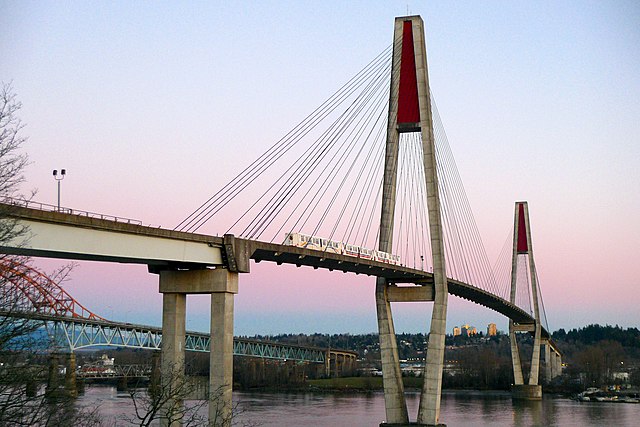
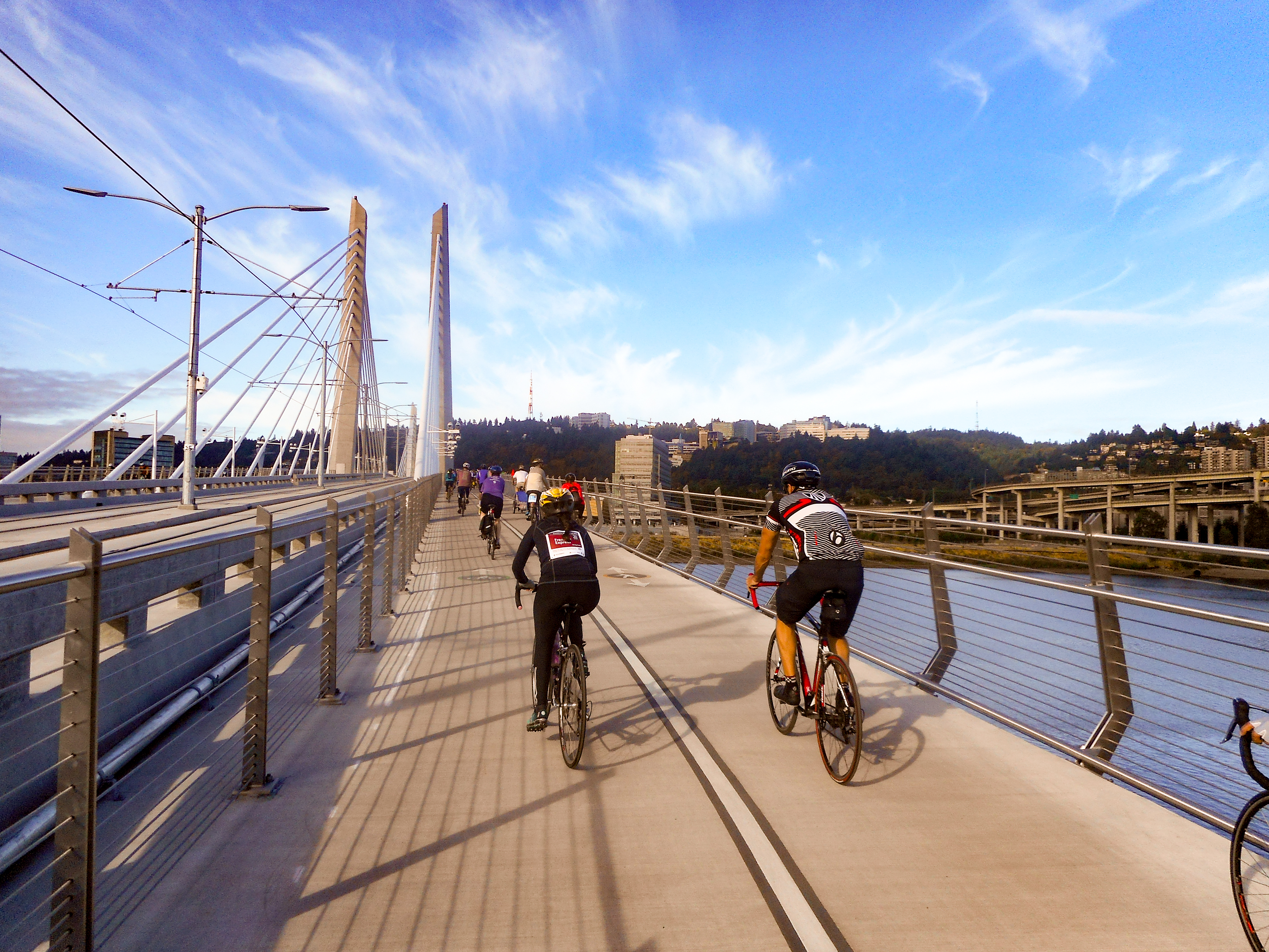
The SkyBridge should have been multimodal like the fantastic Tilikum+Crossing in Portland.

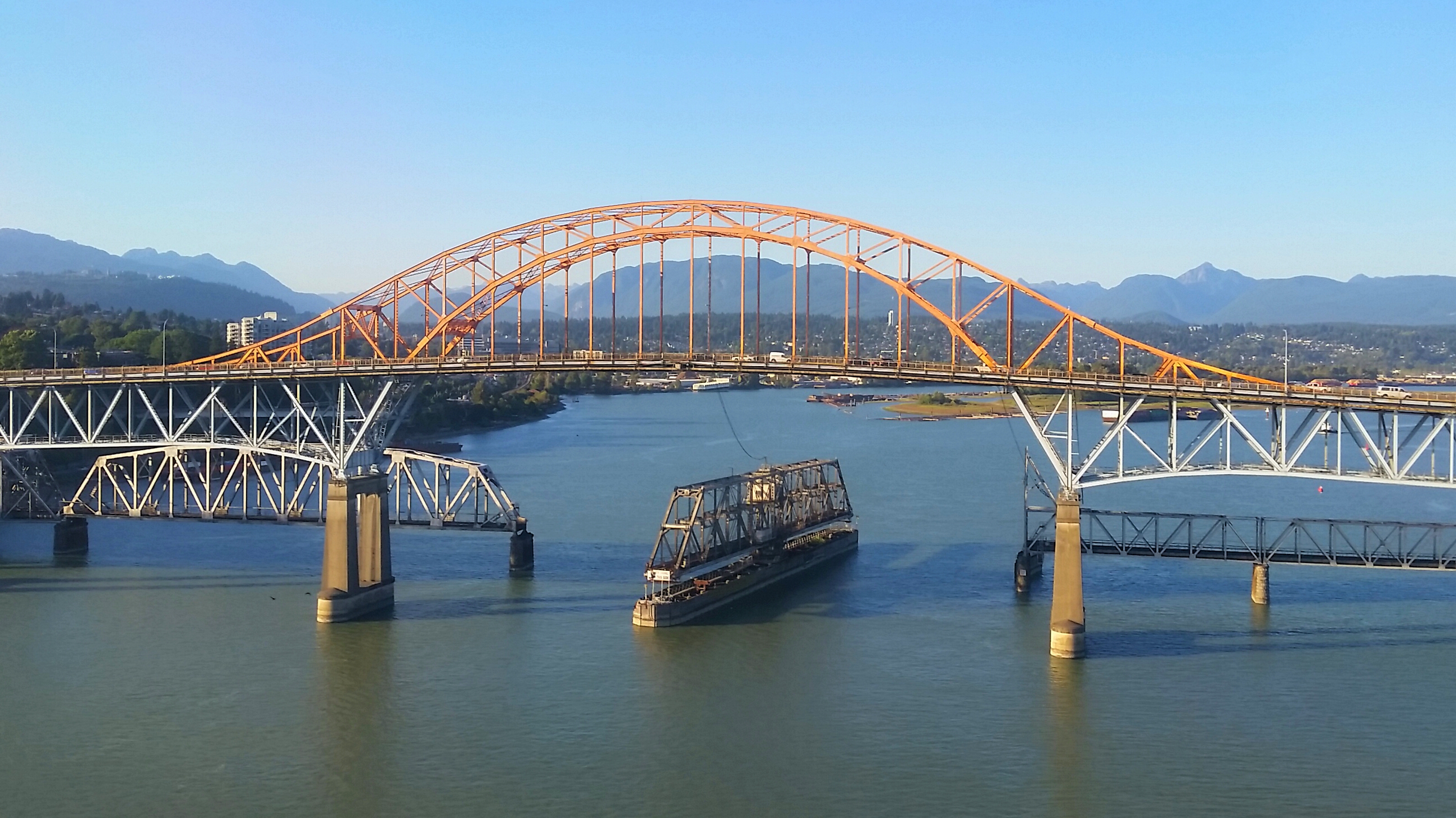
https://dailyhive.com/vancouver/pattullo-bridge-surrey-board-of-trade Of course the new PB won't have a furture provision for bus & rail on a 2nd deck.

Friday, February 16, 2024

Evolution of the Vancouver SkyTrain 1985-2035

 https://www.youtube.com/watch?v=-3kzHlQQSeg

The Surrey-Langley Skytrain segment. https://www.youtube.com/watch?v=Jx5GBKjiw2c

Just because it's considered light rail, there still should have been a provision to easily have 152 m stations, like with the Montreal Metro stations. Instead, the first 2 lines only can handle 80 m trains & the C Line has a ridiculous 50 M station maximum. This, not properly building for the future agenda, is utterly foolish & inept. In spite of many cities opting for long trains & wide bridges, the BC approach is to provide half sized infrastructure for a half-assed approach to things. Nevertheless, there is still the potential to upgrade it to eventually becoming like a proper big city metro train system. https://en.wikipedia.org/wiki/Expo_Line_(SkyTrain)#Capacity_upgrades

https://upload.wikimedia.org/wikipedia/commons/thumb/e/e6/SkyBridge

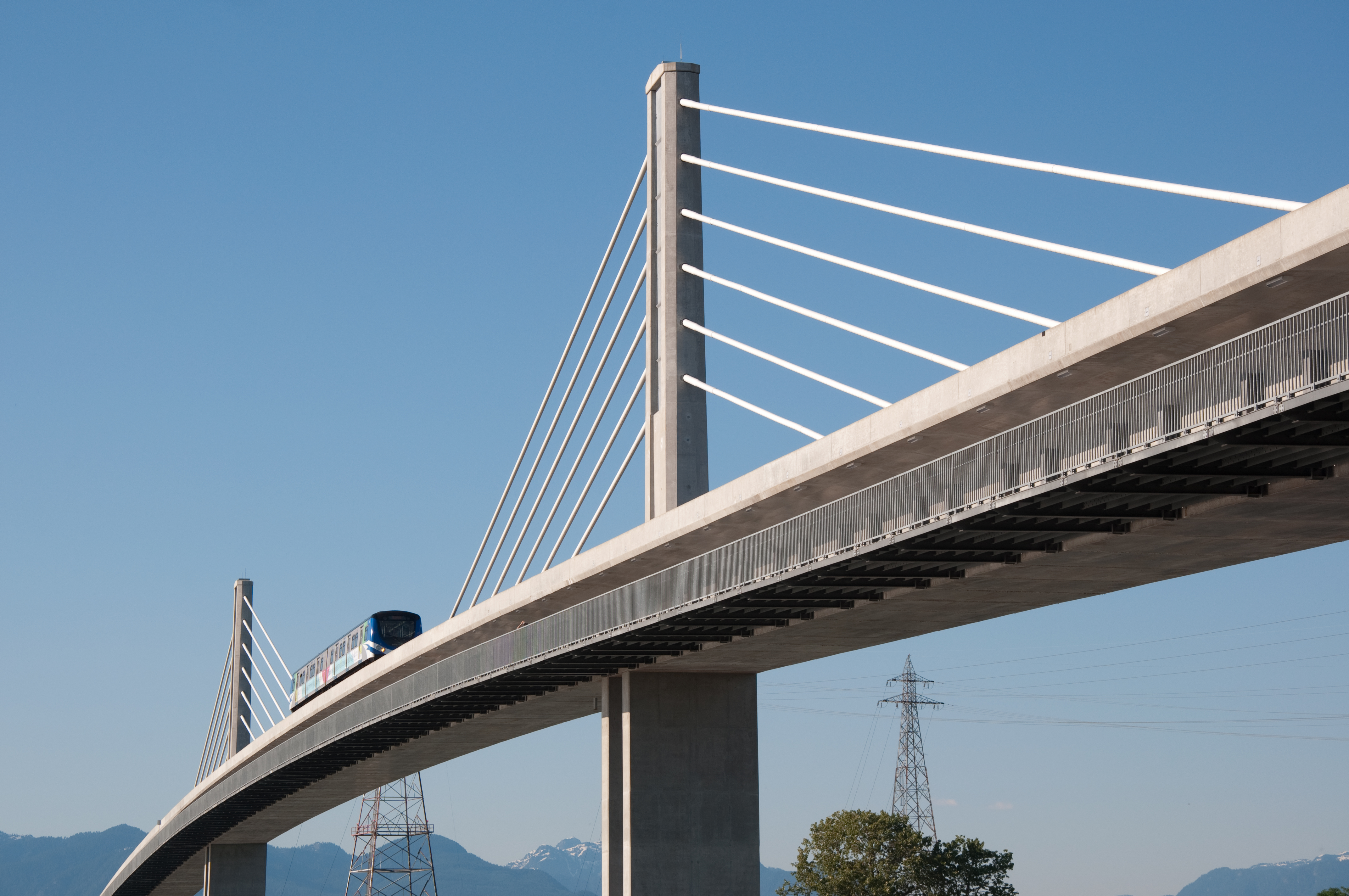
This is one of the best examples of BC bottleneck planning so far. The SkyBridge_for_SkyTrain should have had at least 3 tracks, not just 2 & only a maintenance track. The old inadequate 4 lane Pattullo_Bridge has only 1 narrow sidewalk & no bike or bus lanes. Thus, the Skybridge should have had 2 bike lanes & 2 footpaths. There also should have been 2 bus lanes, because when the train shuts down for maintenance or an emergency, a 24hr busway there is vital. The narrow SkyBridge really should have had a provision for a 2nd level, but that would go against the multigenerational congestive planning agenda of BC.

https://en.wikipedia.org/wiki/Skybridge_(TransLink)

If the very narrow & inept old Patullo-Bridge had much better foundations, it could have become a great foot & bike+bridge, once its replacement opened. Unfortunately, even the new Pattullo_Bridge is already set to be a modern example of BC bottleneck planning. While it will at least have a bike & footpath on both sides, it will open without any proper bus & HOV lanes.

Even if the Expo_Line_(SkyTrain) was somehow open for 24hrs, there would still be the occasional emergency situation requiring the train bridge to close. Yet, even the new 4 lane Pattullo-Bridge will open without any bus, HOV lanes or emergency lanes. Thus, it will become another fine example of BC bottleneck planning. 

The new Pattullo-Bridge should open with 6 lanes & a provision to have at least 8 lanes. This would not only allow for 2 general lanes each way, but a bus & HOV lane each way & a truck lane each way. https://dailyhive.com/vancouver/pattullo-bridge-surrey-board-of-trade

Of course there also should have been a provision for a lower or upper deck, which could provide additional bus & train capacity. Unfortunately, it will start out as another 4 lane backward BC bridge.   


https://therabbitportal.blogspot.com/search?q=bike+bridges

Thursday, February 15, 2024

Brisbane and Perth vs. Halifax and Vancouver

Australia: Brisbane and Perth have already surpassed Halifax and Vancouver, in some key ways. (This is still a very roughed out or incomplete post.)

https://en.wikipedia.org/wiki/Brisbane#Infrastructure

https://en.wikipedia.org/wiki/Cross_River_Rail

https://en.wikipedia.org/wiki/Sir_Leo_Hielscher_Bridges A 12 lane crossing.

 https://en.wikipedia.org/wiki/Port_of_Brisbane

https://en.wikipedia.org/wiki/International_Airport_railway_station,_Brisbane

146_m Brisbane train is so much better than a 50 to 80 m Vancouver train.

Train length146.17 m (479 ft 7 in)[1]
Car length
  • 25,085 mm (82 ft 3.6 in) (end cars)
  • 24,000 mm (78 ft 9 in) (intermediate cars)

https://en.wikipedia.org/wiki/New_Generation_Rollingstock


https://en.wikipedia.org/wiki/Perth#Transport

"Transperth B-series trains, three cars in length, operate on the Airport line every 12 minutes during peak and every 15 minutes outside peak and on weekends. All Airport line branch stations are fully accessible and have 150-metre (490 ft) long platforms, long enough for a six-car train. Train lengths are limited by most Midland and Fremantle line stations, which have platforms only 100 metres (330 ft) long. The installation of communications-based train control by 2027 will allow frequencies to increase and planned platform lengthening will allow train lengths to increase." https://en.wikipedia.org/wiki/Airport_line,_Perth

Fortunately, Perth chose not to Vancoverize their train & road system plans. Thus, the Perth Airport line can eventually have 150m long stations. Of course Vancouver opted to take the congestive planning approach. Indeed, why have 150m long Canada Line stations when 50m short stations are more appropriately symbolic?

"Unlike Bombardier ART trains, the Hyundai Rotem trains will not be operated as longer four- or six-car trains. Through inserting a middle "C" car at the articulated joint between two end cars, available capacity will be similar to a four-car Mark II or a six-car Mark I train. The Canada Line's station platforms are expandable to 50 m (164 ft 1 in) in length to accommodate these future three-car trains; the five busiest stations are already 50 m (164 ft 1 in) in length. The Canada Line has a designed future capacity of 15,000 pphpd when operating three-car trains at two-minute headways." https://en.wikipedia.org/wiki/SkyTrain_(Vancouver)_rolling_stock#Canada_Line_fleet

The Catheter Line should have been designed with the capability to eventually have 152m long stations, as is the case with the Montreal Metro & the TTC Subway stations. But that would be planning for the future & be against the congestive Vancouver & BC planning approach. By not allowing the provision for 152m stations, that will ensure some financial drainage in the future. 

This view of the Vancouver_Airport_Skytrain_Station almost shows what a 4 car train would look like, but it's actually just two, 2 car trains on a single track. The YVR-Airport_station is so short & narrow, but it fits right in with the small town planning approach for Greater Vancouver.

https://en.wikipedia.org/wiki/SkyTrain_(Vancouver)#Future_expansion Unfortunately, the first 2 SkyTrain lines were designed to only have 80m stations. It remains to be seen if someday the stations might be extended to at least 150m. Despite budgetary limitations, the Catheter Line should have been designed to eventually have 150m stations. Unfortunately, it remains as a 50 m joke.

https://www.economist.com/business/2023/06/01/australia-and-canada-are-one-economy-with-one-set-of-flaws


https://therabbitportal.blogspot.com/search?q=Canada+vs.+Australia+which+is+a+more+modern+country+in+terms+of+infrastructure

https://therabbitportal.blogspot.com/search?q=Vancouver%27s+little+Canoe+Bridge+vs.+much+better+examples

https://therabbitportal.blogspot.com/search?q=Canada+vs.+Australia

Monday, February 12, 2024

The Abraham Lincoln Bridge, JFK Bridge and the Sir Leo Hielscher Bridges

"The Abraham Lincoln Bridge is a six-lane, single-deck cable-stayed bridge carrying northbound Interstate 65 across the Ohio River..." https://en.wikipedia.org/wiki/Abraham_Lincoln_Bridge

https://en.wikipedia.org/wiki/Abraham_Lincoln_Bridge#History

https://en.wikipedia.org/wiki/John_F._Kennedy_Memorial_Bridge 6 lanes

Such a 12 lane river crossing always has the potential for bus & HOV_lanes.


The Sir_Leo_Hielscher_Bridges also form a 12 lane crossing.

https://nacto.org/docs/usdg/tcrp_rpt_90_case_studies_volume_1_levinson.pdf

https://citeseerx.ist.psu.edu/document?repid=rep1&type=pdf&doi=907bc8e76d695f86cc1a4939e0efdb82006c630e

https://wanderlog.com/list/geoCategory/867273/best-bridges-in-brisbane 

BRISBANE, AUSTRALIA - HOV METROPOLIS?

 https://trid.trb.org/view/721772

https://www.qld.gov.au/transport/safety/rules/road/special

https://onlinepubs.trb.org/onlinepubs/tcrp/tcrp90v1_cs/Brisbane.pdf


Even though it would provide proper bus & HOV lanes, Vancouver is one of the most reluctant cities about allowing bridge duplication or twinning. Thus, everything is funneled into absurdly narrow bridges. 

The old Fraser_Street_Bridge was never replaced with a bus & bike bridge. The Oak_Street_BridgeKnight_Street_Bridge & the Arthur_Laing_Bridge are classic 4 lane Vancouver chokepoints. Unless new HOV & bus bridges are built, these 3 bridges will remain quintessential bottlenecks. The ridiculously narrow Lions_Gate_Bridge is a three lane joke. There should have been a bus, HOV & train tunnel built around there decades ago. 

The Second_Narrows_Crossing is also too narrow to accommodate proper bus & HOV lanes. Thus, any new parallel train bridge should also have bus & HOV lanes. Otherwise, it will just become another SkyTrain-bridge

Unlike stubborn Vancouver, Montreal was able to build the new Champlain_Bridge. Indeed, the New_Champlain_Bridge has 4 lanes each way & 2 train tracks in the middle.

Such is the gatekeeper mentality of Vancouver, a city that wants to perpetually excel in congestive transportation planning. Fortunately, this thwarting Vancouver mentality hasn't spread to most other cities around the world.  

Wednesday, January 10, 2024

Elizabeth Quay Bridge in Perth, WA

 https://developmentwa.com.au/projects/redevelopment/elizabeth-quay/elizabeth-quay-bridge

It's not surprising that the Elizabeth+Quay+Bridge is in Perth & not in Vancouver. So many cities seem to be able to do things better than how its done in Vancouver.

https://www.alluringworld.com/queen-elizabeth-quay-bridge

Such an alluring footbridge as the Elizabeth+Quay+Bridge just doesn't exist in Vancouver.

https://aqtr.com/association/actualites/elizabeth-quay-pedestrian-bridge-perth-jewel-quay

https://www.google.com/maps/place/Elizabeth+Quay+Bridge

The Canoe+Bridge in Vancouver, BC is nowhere as good as the Elizabeth Quay Bridge.

https://www.arup.com/projects/elizabeth-quay-ped-bridge


Wednesday, December 27, 2023

Vancouver's little Canoe Bridge vs. much better examples

The Canoe+Bridge_in_Vancouver,+BC is a fine example of a quaint little bridge to nowhere. 
The Elizabeth+Quay+Bridge+in+Perth, WA is a far better pedestrian bridge.
For some reason, Greater_Vancouver refuses to build a system of proper pedestrian, bike & bus bridges that could actually help to relieve traffic congestion. 

Unlike in Calgary, Edmonton & Winnipeg, there just isn't an adequate amount of pedestrian, bike & bus bridges crossing the Fraser River between Vancouver, Burnaby, NW, Delta, Surrey & Langley.

So many other cities are able to build new pedestrian, bike or bus bridges, without removing lanes from the older bridges. Thus, actually reducing congestion.


The new Disraeli+Bridge_in_Winnipeg should have had a provision for 2 bus lanes & even 2 HOV lanes, so its a little like a 4 lane BC bridge. The highway at either end of the bridge is wider than the bridge itself, so its like some Vancouver narrow-mindedness was put into the design.  
https://legacy.winnipeg.ca/PublicWorks/construction/pastProjects/DisraeliBridges No bus or emegency lanes makes it like a narrow Vancouver bridge. https://www.mhs.mb.ca/docs/sites/disraelibridge.shtml Unfortunatly, unless the bridge was designed to be expanded from 4 to 6 lanes, a parallel bus bridge might have to be built someday. Especially if the city is intending to expand its rapid-bus-transit-route-networkhttps://info.winnipegtransit.com/en/service/blue-rapid-transit/


Fortunately, the Vancouver mentality wasn't able to take hold in Calgary & so many other cities.


https://en.wikipedia.org/wiki/List_of_bridges_in_Calgary#/media/File:C-Train_bridge-lower_deck Of course the first Skytrain bride in BC has no such provision, let alone bike & bus lanes. That's the backward BC way.


Interstate I-5 Bridge Replacement over the Columbia River

 https://www.youtube.com/watch?v=eiIbdCE4-iA

The challenge is to build a new high capacity multimodal bridge that is a nice fit for Portland & not some narrow Vancouver, BC bottleneck bridge. Thus, unlike V, BC, Vancouver ,WA has the potential of getting a nice new adequate bridge.

Even modern bridges in cities should be wide enough to accomodate all sorts of transportation modes.


The old way was to bulldoze right through a neighborhood, when in many cases there were industrial areas, which could have been a less disruptive option.

Remnants of Portland's Unbuilt Freeways https://www.youtube.com/watch?v=ZeV31IcUkPM

The Forgotten Story of Harbor Drive: Portland's Demolished Freeway https://www.youtube.com/watch?v=l2_yNrP0hCY


https://therabbitportal.blogspot.com/search?q=Portland

Tuesday, December 26, 2023

Tilikum Crossing in Portland vs. other bridges

The Tilikum_Crossing is the type of transit structure that should be in various parts of Greater Vancouver, BC. While such planning isn't a problem in Oregon, for BC, it might as well be something out of science fiction story.

https://trimet.org/tilikum , https://www.youtube.com/watch?v=VIYPA7jyELs

https://www.tylin.com/work/projects/tilikum-crossing-bridge-people

The North_Arm_Bridge should have had similar features to what the Tilikum_Crossing would have. Unfortunately, as part of the Canada_Line_and_Skytrain, it had to be symbolically underbuilt. Even with first phase budget limitations, the bridge could have been designed to eventually be at least as wide as what the Tilikum would be. Just because it's a light rail train line, all the stations could have been designed to eventually be 152m, like the high capacity Montreal Metro stations are, instead of the 50m joke that it has become. Thus, the Catheter_Line is one of the best examples of infrastructure financial drainage. Indeed, for all of its cost, the bridge should have been twice its width by now & the stations at least 3 times longer, simply by designing it with the potential to become a proper big city train.


https://therabbitportal.blogspot.com/search?q=Tilikum+Crossing

Tuesday, December 19, 2023

The Steel Bridge in Portland vs. the New Westminster Rail Bridge

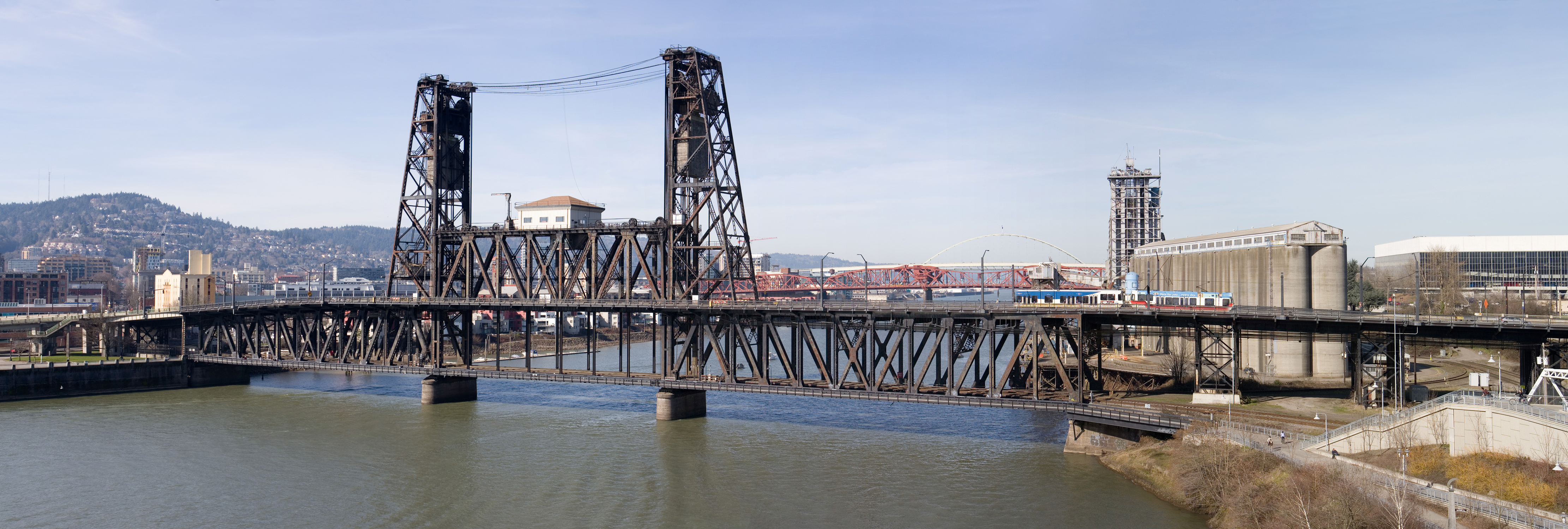
The current Steel_Bridge opened in 1912 with tremendous capacity well over a century later. Perhaps the designers looked at the narrow New Westminster Rail Bridge & decided to avoid the BC bottleneck approach to things. 

Upper: 2 outer lanes for general traffic, 2 inner lanes solely for MAX Light Rail, and sidewalks on both sides
Lower: Union Pacific Railroad (incl. Amtrak toward Eugene) and walkway.

https://en.wikipedia.org/wiki/Steel_Bridge#History - https://www.youtube.com/watch?v=r02EbmjuNfw


https://en.wikipedia.org/wiki/New_Westminster_Bridge Opened in 1904 and like so much infrastructure in BC, it wasn't built for any significant future capacity.

https://historicbridges.org/bridges/browser/?bridgebrowser=britishcolumbia/newwestminsterrailwaybridge

http://www.gvgc.ca/v_Rail.aspx

https://www.tpsgc-pwgsc.gc.ca/biens-property/construction/new-westminster-eng.html

https://thetyee.ca/News/2009/06/01/RailFix

Unlike Portland, NW never seemed to ever want to become a big bustling river city, just another provincial backwater. There was a time in the 1800s when NW could have acquired what would eventually become known as the Tri-Cities. However, that wouldn't fit within its backwater BC mentality. 

Indeed, to this day, the former BC capital & Victoria are quite small when compared to Edmonton, Regina, Winnipeg & Q. City. However, since little NW is in the middle of Greater_Vancouver, it has been gradually encouraged to take on more big city attributes.


https://therabbitportal.blogspot.com/search?q=Portland

Monday, December 18, 2023

The Ship Canal Bridge in Seattle

https://en.wikipedia.org/wiki/Ship_Canal_Bridge The SCB should have HOV & bus-lanes in all of its three 4 lane sections, or at least on the lower deck. 

https://www.youtube.com/watch?v=1ajGMRXlYmg

It's not amazing to have a 12-lane section of highway in Ontario and even in Queensland. 10 lanes in Alberta, but it would take until 2015 for all 10 lanes to open up on the new Port_Mann_Bridge in BC. The 8 lane Fremont_Bridge_in_Portland,_Oregon opened in 1973 with 2 levels. Far beyond the 4 lane joke that was the old Port_Mann_Bridge of the 1960s.

https://historylink.org/File/3312 For Seattle to have a 12 lane structure so close to BC in the early 1960s, was amazing, but so was the Space_Needle

https://mynorthwest.com/3931367/when-i-5-ship-canal-bridge-became-13-million-parking-lot/

https://www.seattletimes.com/opinion/editorials/prioritize-fixing-i-5s-ailing-ship-canal-bridge/

https://en.wikipedia.org/wiki/List_of_bridges_in_Seattle

https://www.seattle.gov/transportation/projects-and-programs/programs/bridges-stairs-and-other-structures/bridges

Of course the decades of simply building more & more traffic lanes have become quite evident for the induced demand argument. However, today it should be about making streets, roads & highways much more efficient. More bus & HOV lanes & alternate powered vehicles can really help. While the EV option can be a good thing, there should also be more hybrid vehicles.

The Steel Bridge (Portland) and Washington Avenue Transit Bridge (Minneapolis)

The Steel_Bridge and the Washington_Avenue_Bridge, if only such bridges were allowed in Greater_Vancouver...

The Steel-Bridge is old, yet adequately functioning as a multi-model crossing.

Upper: 2 outer lanes for general traffic, 2 inner lanes solely for MAX Light Rail, and sidewalks on both sides
Lower: Union Pacific Railroad (incl. Amtrak toward Eugene) and walkway. 

https://upload.wikimedia.org/wikipedia/commons/5/51/Amtrak_talgo_train_crossing_steel_bridge.jpg

"The bridge has two decks, with the lower deck designated for motor vehicle traffic and light rail trains and the upper deck used for pedestrians and bicycles (lanes specifically for bikes are on the north side)." https://en.wikipedia.org/wiki/Washington_Avenue_Bridge_(Minneapolis)

Unfortunately, the Skybridge between NW & Surrey, has no bus & bike lanes. Thus, its another fine example of backward BC planning. https://en.wikipedia.org/wiki/Skybridge_(TransLink)

Even though the SkyTrain wasn't intended to run 24hrs, no adequate future capacity provisions were included into the design of the SkyBridge. Ideally, the bridge should have had at least 3 tracks on 1 deck. Plus, 2 bus & bike lanes on another deck, with 2 lanes for emergency vehicles that would all be open 24-7. 

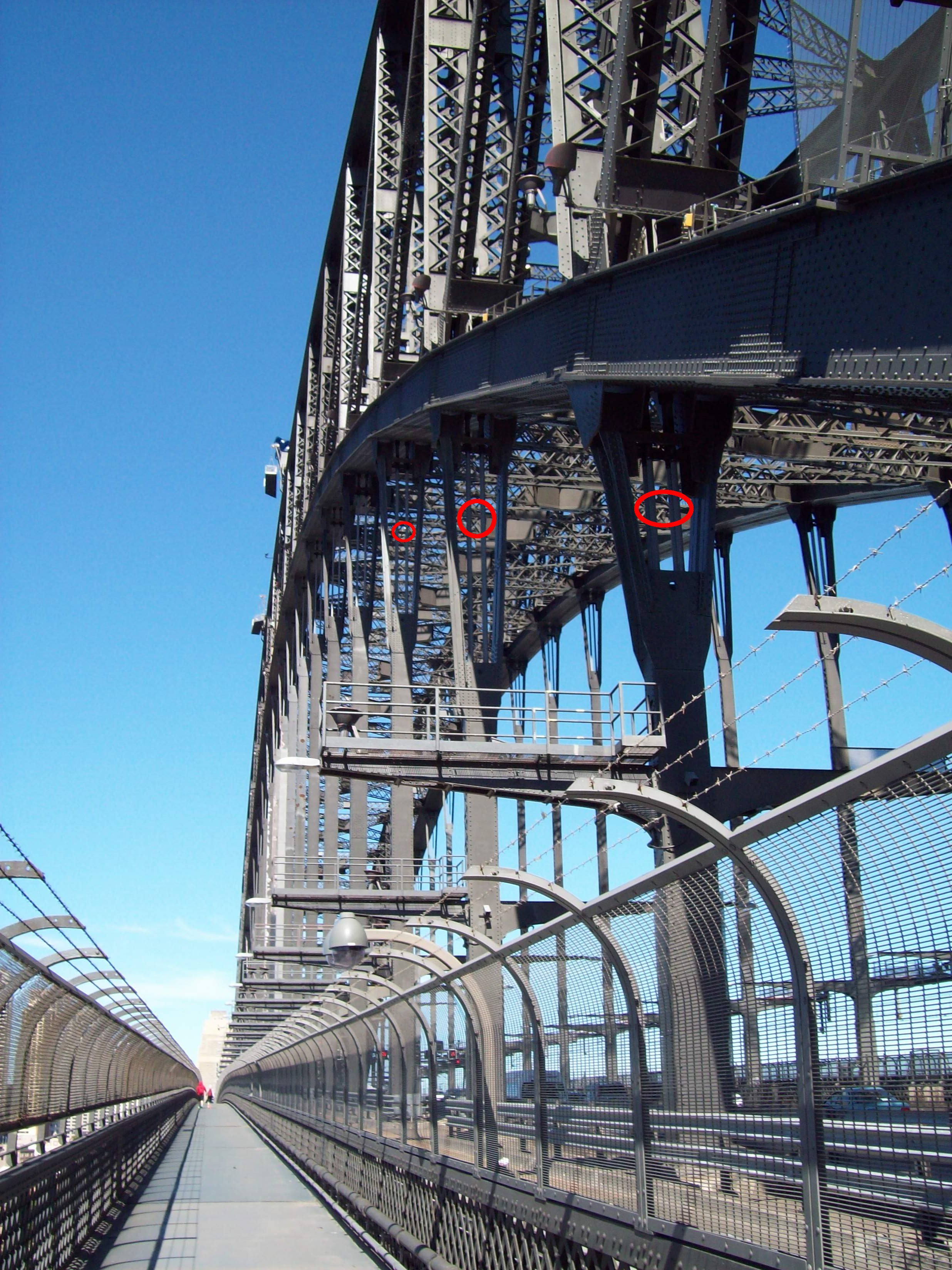
Apparently, it was better to funnel everything into the inept Pattullo_Bridge. A narrow 4 lane joke of a crossing with only 1 narrow sidewalk. Its so nice that the Sydney-Harbour-Bridge has 2 pathways. Surrey is set to become the largest city in BC. Thus, Surrey & NW should have had several bridges like Portland_OR by now.

In the 1930s, NSW already had a sense of Sydney being a substantial state capital on the Pacific for quite a while. In contrast, NW, BC emphasized its status of a former backwater provincial capital & perpetuated its small-minded city mentality.

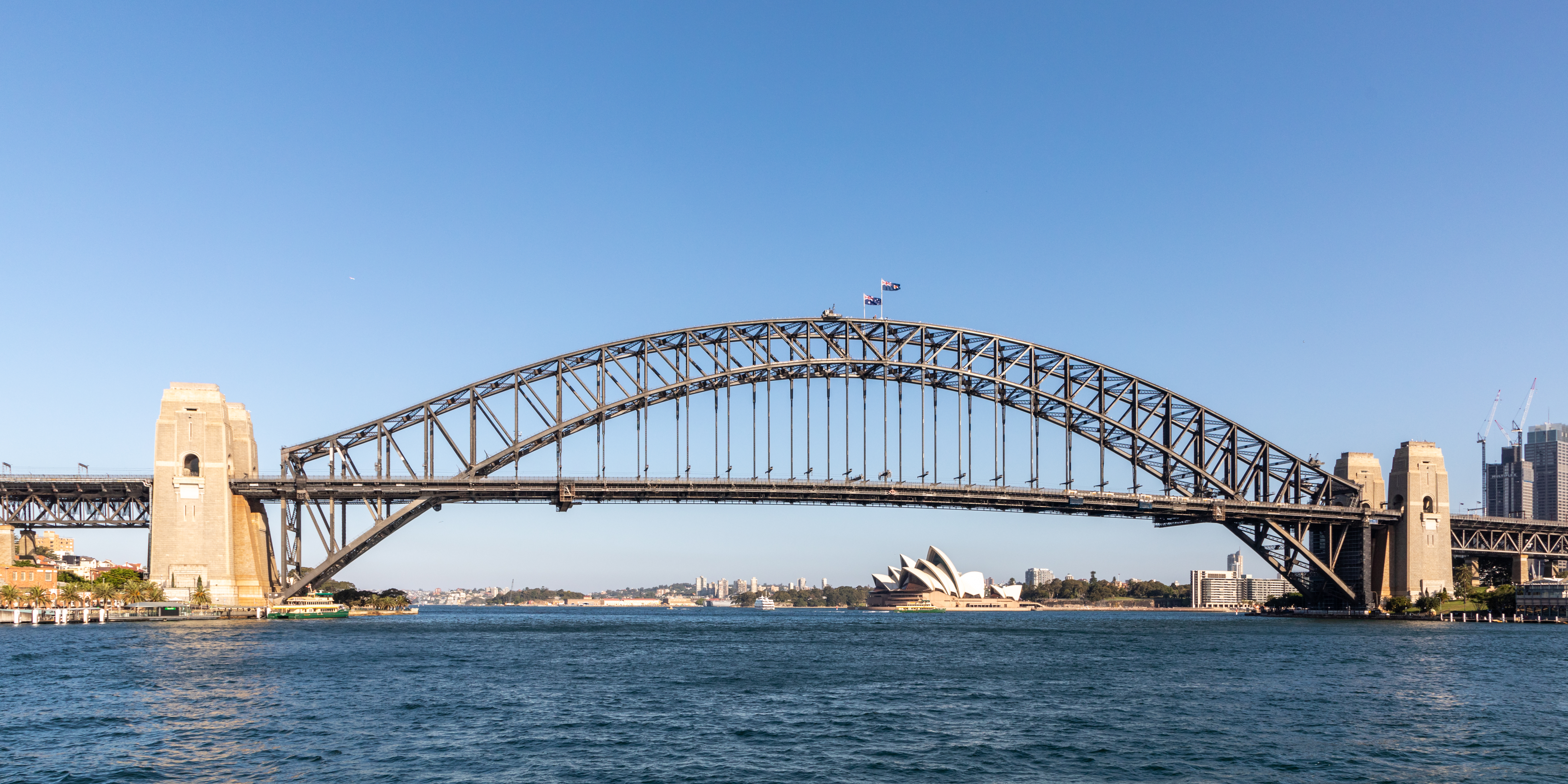
Thus, the Sydney_Harbour_Bridge was originally built with six lanes, 4 sets of tracks & two sidewalks. Where as the Pattullo_Bridge was a fine example of backwater BC thinking & planning. Unlike the impressive Sydney_Harbour_Bridge, there is no comparable high level bridge in BC which is capable of carrying double deck passenger trains. Of course it should be noted that NSW has seen itself as a mighty state on the Pacific for quite a long time. Thus, the 1930s Sydney_Harbour_Bridge remains so far ahead of anything in backwater provincial BC.

https://en.wikipedia.org/wiki/Sydney_Harbour_Bridge_cycleway Unlike the BC aproach, NSW didn't have to remove any traffic lanes. Ultimately, Vancouver will have traffic lanes removed from 3 of its bridges, because the city refuses to build anything like the magnificent Tilikum_Crossing in Portland, OR. Vancouver was one of the first cities to get rid of its streetcars & will likely be one of the last to ever bring them back. Well fortunately, there was nothing like the BC mentality to stop the Portland_Streetcar_or_the_Tilikum_Bridge

The tram-train MAX_and_bus_on_Tilikum_the_Crossing. If only backward Vancouver, BC would allow such a fine transit bridge, then there would be less congestion on the existing narrow bridges. Indeed, Greater Vancouver refuses to build a series of bus-bridges, even though that would relieve some of the regional congestion.

Unlike in the largest urban area in BC, Portland,_OR was able to build many more bridges.

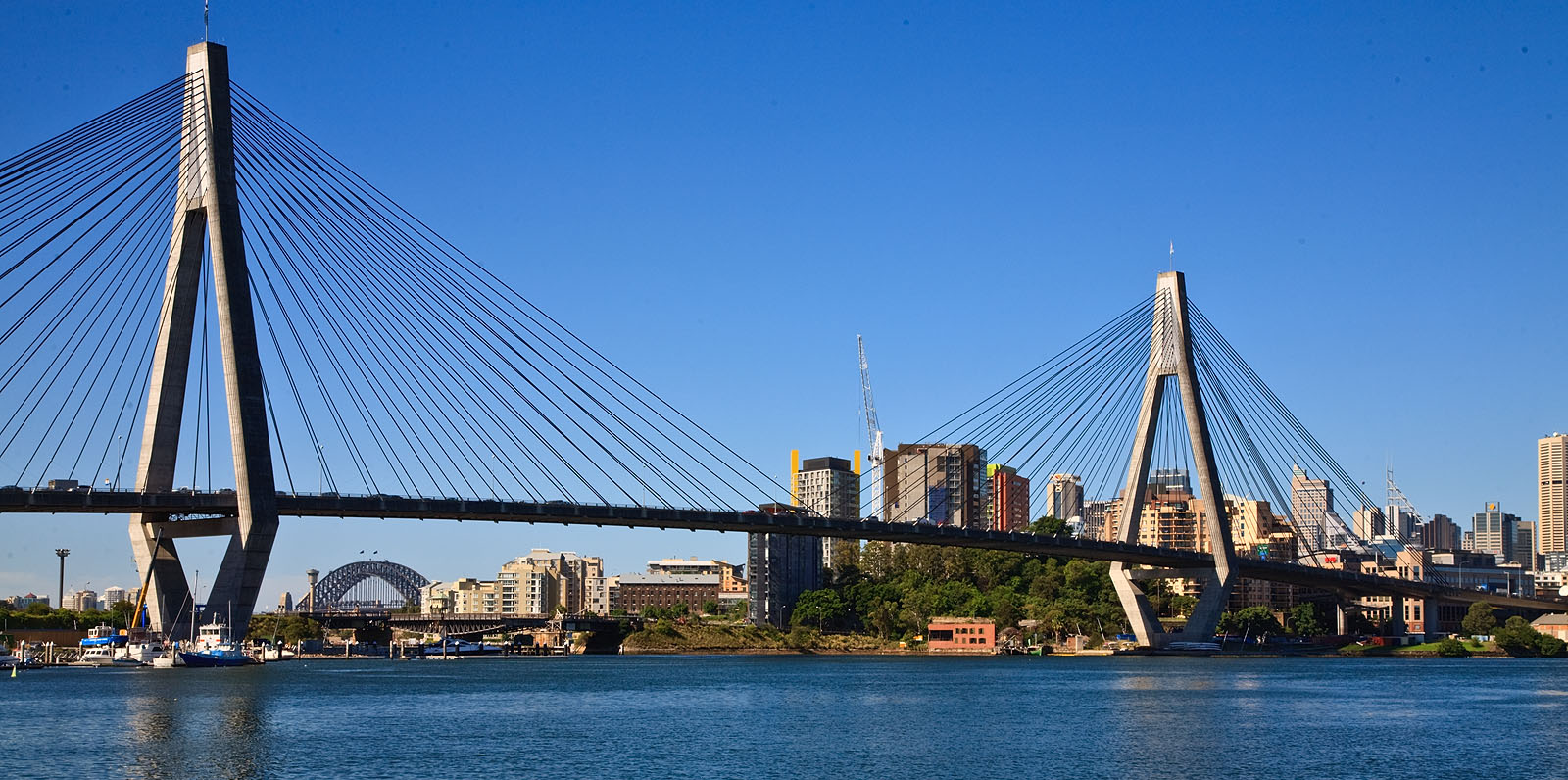
https://www.pattullobridgereplacement.ca Of course the bridge wasn't built with the provision for a lower deck similar to what's on the Tilikum Bridge. https://www.pattullobridgereplacement.ca/about/projectoverview It wasn't allowed to have 8 lanes like the Anzac_Bridge_in_Sydney. So no bus & HOV lanes, just have everything crammed into a 4 lane bottleneck. No emergency lanes, it will open with only 2 lanes each way, but with the potential to become a 6 lane bridge, some day. So, just like the Skybridge, it won't have 2 dedicated bus lanes. 

Unlike the Skybridge in NW, at least the North-Arm-Bridge to Richmond has 1 bike lane, but there should have been 2 as well as 2 bus lanes & even 2 emergency vehicle lanes on the North_Arm_Bridge. Since the North_Arm_Bridge doesn't have 24hr train service & no bus lanes, late-night buses only have the 4 lane bottlenecks that are the Oak_Street_BridgeKnight_Street_Bridge & the Queensborough_Bridge. Of course there are no emergency vehicle lanes, because even they should be subjected to the overall congestion of the region.

The Sydney_Harbour_Bridge, the Anzac_Bridge & the Tilikum_Crossing were all possible, simply because they aren't subjected to anything like the restrictions impose in Greater_Vancouver or BC in general. The BC part of Canada is trapped in some kind of a stagnation loop or a series of restrictions to stiefel or thwart infrastructure upgrades & progress. However, so many other cities around the world just aren't subjected to anything like the BC approach to things. 


https://therabbitportal.blogspot.com/search?q=Portland

https://therabbitportal.blogspot.com/search?q=Tilikum+Crossing

https://therabbitportal.blogspot.com/search?q=transit+bridges